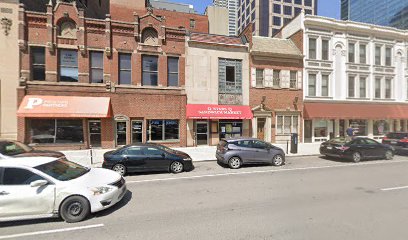
When a mortgage falls behind and the lender starts the legal process to take back a house, a foreclosure attorney is the person who steps in to slow things down, negotiate, or fight the case in court. In Indianapolis, that work covers judicial foreclosure defense (Indiana requires foreclosures to go through the courts), loss mitigation talks with the lender or servicer, loan modification and forbearance applications, bankruptcy filings when they're used to stop a sale, short sale and deed-in-lieu negotiations, and representing homeowners at the mandatory settlement conferences Indiana courts often order before a case can move forward. Some of these 97 listings also represent lenders and investors on the other side of these cases, so it's worth confirming which side an attorney typically works before you call.
A few things separate a lawyer worth hiring from one that just takes your money and files paperwork. Ask how many Marion County (or your specific county) foreclosure cases they've actually handled, since local judges and court procedures vary. Ask what their fee structure looks like: flat fee, hourly, or a mix, and get it in writing before signing anything. Find out how fast they respond once a case is filed, because foreclosure timelines move on the court's schedule, not yours, and missed deadlines can cost you options like a settlement conference or a modification review. And ask directly what outcomes they've gotten for people in situations similar to yours, whether that's a loan modification, a dismissed case, extra time to sell, or a negotiated exit.
Our scores weigh things like responsiveness, verified client outcomes, experience with local courts, and complaint history, so you're not stuck guessing off a five-star average alone. For the short list of attorneys who score best on those measures, see the ranked guide to Indianapolis foreclosure attorneys. Curious how we calculate the scores themselves? That's laid out on our methodology page.