How to pay for a foreclosure or bankruptcy attorney when money is tight
By Marcus Osei · Updated 2026-07-27
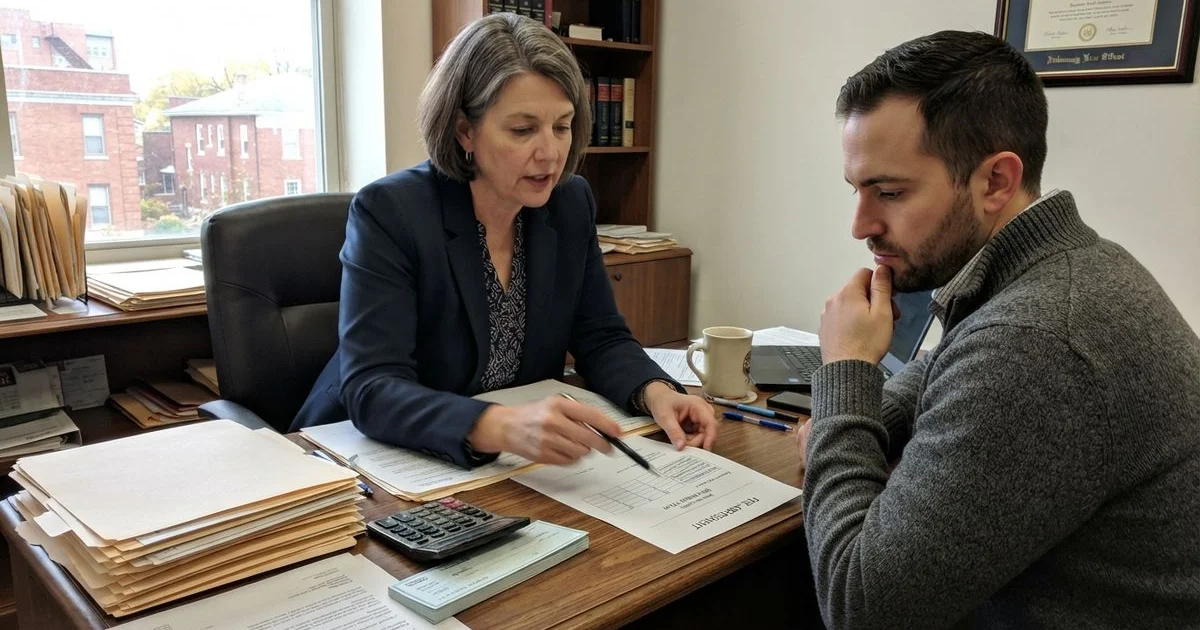
Worrying about legal fees on top of a mortgage you are already behind on is one of the more common reasons homeowners delay calling an attorney at all. That delay usually costs more than the fee itself, since options narrow the closer a case gets to a scheduled sale. There are more ways to cover legal costs than most people assume.
The main ways homeowners cover the cost
Payment plans are the most common: many firms will spread a flat fee over several months rather than requiring the full amount up front, particularly for loan modification or loss mitigation work. Some firms accept a smaller retainer with the balance billed as the case progresses. Using savings earmarked for the mortgage itself is sometimes the right call if it buys enough time for a modification or settlement to close, though that decision depends on your specific numbers.
| Option | How it works | Best fit |
|---|---|---|
| Firm payment plan | Fee spread over several months | Most loss mitigation and negotiated cases |
| Reduced retainer, billed as case proceeds | Smaller upfront cost, balance billed later | Cases with uncertain scope |
| Free or reduced-fee legal aid | No or low cost, income-qualified | Very tight budgets, simpler cases |
| Credit or personal loan | Fee paid up front, financed separately | When speed matters more than long-term cost |
When free or reduced-fee help is the better fit
If a paid retainer genuinely is not workable, income-qualified legal aid organizations and court self-help resources exist specifically for this situation, and they can be a legitimate substitute for a paid attorney rather than a last resort. The tradeoff is usually availability and how quickly a case can be picked up, since these programs often have more demand than capacity.
Questions to ask about cost before you commit
Ask whether the fee is flat or hourly, what happens if the case gets more complicated than expected, and whether payment plan terms include interest or fees for missed installments. Get the answer in writing as part of the engagement letter, not just as a verbal assurance during the first call.
A cost comparison worth making early
Weigh the legal fee against what is actually at stake. Attorney fees for negotiated foreclosure defense are often a small fraction of the equity or ongoing housing cost involved, which is part of why paying for help early, even on a payment plan, tends to be worth it compared to the cost of doing nothing and losing the home to a sheriff’s sale.
This is general information about payment options, not a guarantee that any specific firm offers financing or that a particular arrangement fits your situation. You can review how listings in this directory are scored on fee transparency through the ranking method, or start from the homepage to browse attorneys by practice area.
Frequently asked questions
- Do most foreclosure attorneys offer payment plans?
- Many do, especially for flat-fee loss mitigation work. It is worth asking directly, since payment plan terms are rarely advertised up front.
- Can bankruptcy filing fees also be paid over time?
- Courts sometimes allow filing fees to be paid in installments, and fee waivers exist for very low income filers. Ask your attorney or the court clerk about eligibility.
- Is it ever worth using a credit card to pay a legal fee?
- It can be, if the alternative is losing the house and the interest cost is smaller than what is at stake, but it is worth comparing against a firm's own payment plan first since that is often cheaper.
- Should I choose the cheapest attorney to save money?
- Not automatically. A cheaper flat fee with narrow scope can end up costing more if your case turns out to be more complex than expected and extra work gets billed separately.