Free and low-cost legal help for foreclosure in Indianapolis Metro
By Marcus Osei · Updated 2026-08-08
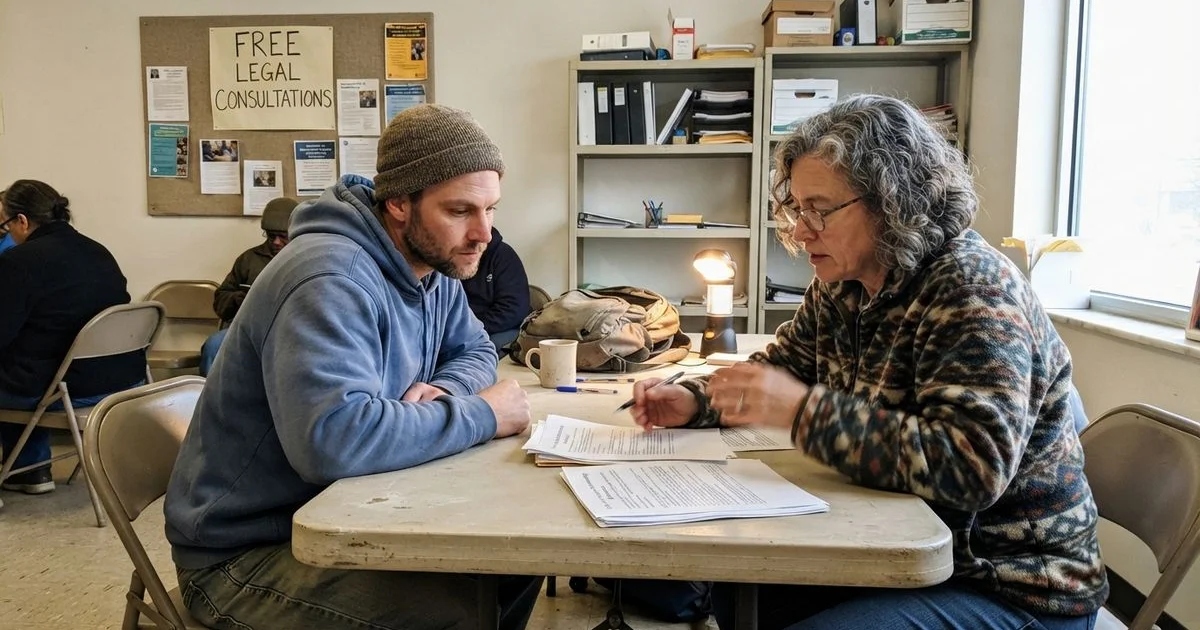
Not every homeowner facing foreclosure can afford a private attorney, and that does not mean going without help. Free and reduced-cost resources exist specifically for this situation, though they work differently than a paid retainer and it helps to know what each one actually does before you rely on it.
The main categories of free help
Nonprofit legal aid organizations provide free representation or advice to income-qualified homeowners, though demand typically outpaces capacity, so a waitlist or intake screening is common. HUD-approved housing counselors are free or low-cost advisors who help homeowners understand loss mitigation options and communicate with servicers, though they do not represent you in court the way an attorney does. Court self-help centers, where available, offer general information about filing an answer or navigating a hearing without giving case-specific legal advice. Veterans and active-duty service members often have additional avenues worth checking too; the guide to foreclosure help for veterans and military in Indiana covers those separately.
| Resource type | What it provides | What it does not provide |
|---|---|---|
| Nonprofit legal aid | Free legal representation for qualifying households | Guaranteed acceptance; most have income limits and waitlists |
| HUD-approved housing counselor | Guidance on loss mitigation, servicer communication | Courtroom representation |
| Court self-help center | General process information | Case-specific legal advice |
| Private attorney free consultation | An initial case evaluation | Free ongoing representation, unless you retain the firm |
How to tell these apart before you commit time
A private attorney’s free consultation is, at its core, a sales meeting: useful and often genuinely informative, but built around the possibility of a paid engagement afterward. Nonprofit legal aid is structured around eligibility, not sales, which means the intake process can take longer but the help, once granted, comes without a bill. Knowing which kind of resource you are contacting sets expectations correctly from the start.
What to have ready when you reach out
Recent income documentation, since most legal aid programs are income-qualified, your mortgage statements and any notices from the lender, and a short summary of where your case stands. Housing counselors and legal aid intake staff can move faster with this ready rather than gathering it during the call.
When free help is not enough
If your case is already in litigation, involves a disputed title, or the stakes are high enough that you want dedicated representation through a contested court process, a private attorney is often the more realistic path, sometimes alongside insights already gathered from a housing counselor. The two are not mutually exclusive: many homeowners use a housing counselor early to understand options, then retain an attorney once the situation calls for formal representation.
This is general information about the types of assistance available, not a guarantee of eligibility or availability for any specific program. For paid representation, you can review firms in this directory through the ranking method, or start from the homepage to browse attorneys by practice area.
Frequently asked questions
- Is nonprofit legal aid the same as a private attorney's free consultation?
- No. A private firm's free consultation is a sales meeting that can lead to a paid engagement. Nonprofit legal aid, when you qualify, provides ongoing representation or advice at no cost, but usually has income limits and waitlists.
- Do I need to qualify financially for legal aid?
- Most legal aid organizations set income eligibility limits, often tied to federal poverty guidelines, and may also weigh case type and urgency when deciding who they can take on.
- What is a HUD-approved housing counselor?
- A HUD-approved counselor is a vetted nonprofit advisor, free or low cost, who helps homeowners understand loss mitigation options and communicate with mortgage servicers. They are not attorneys and do not represent you in court.
- Can I use free help and still hire a private attorney later?
- Yes. Many homeowners start with a housing counselor to understand their options, then bring in an attorney if the case becomes contested or a lawsuit is filed.