What a foreclosure defense attorney costs in Indiana (and what changes the price)
By Marcus Osei · Updated 2026-06-19
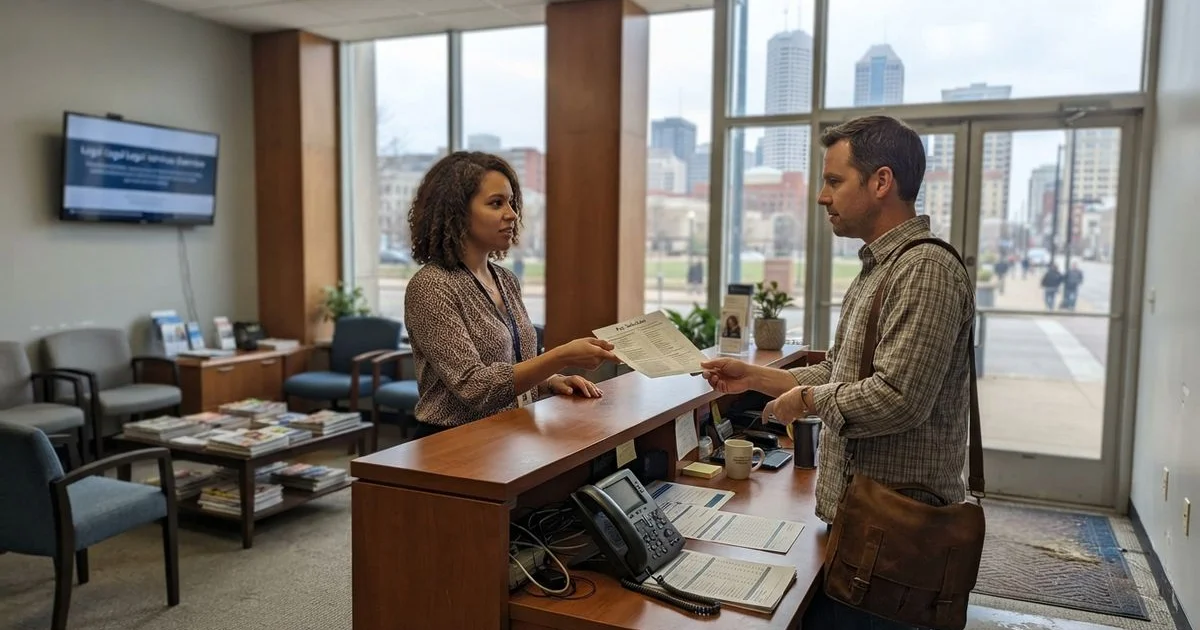
Cost is usually the first question homeowners ask, and it is a fair one: legal fees on top of a missed mortgage payment feel like piling debt on debt. The honest answer is that foreclosure defense pricing in Indiana varies a lot depending on what you actually need done, not just which firm you call.
What drives the price
The biggest factor is scope. A loan modification or loss mitigation review, where the attorney mainly handles paperwork and negotiates with the servicer, generally costs the least. A negotiated settlement that stops short of trial costs more, since it usually involves responding to a filed lawsuit and appearing in court at least once. Full litigation, where the case is contested through hearings, discovery, and possibly a trial, costs the most because attorney hours scale with how long the fight goes on.
Case complexity is the second lever. A simple case with one lender and no disputed facts is faster and cheaper to handle than a case involving multiple parties, a disputed title, or allegations against the lender such as improper notice or a servicing error. Seeing where a case sits in the judicial foreclosure process makes it easier to understand why costs climb once a case heads toward a contested hearing.
| What you need | Typical structure | What pushes the price up |
|---|---|---|
| Loan modification / loss mitigation only | Flat fee | Multiple prior denials, complex income documentation |
| Negotiated settlement (no trial) | Flat fee or capped hourly | Disputed facts, multiple negotiation rounds |
| Full contested litigation | Hourly plus retainer | Multiple parties, fraud allegations, appeals |
| Title dispute tied to a foreclosure | Flat fee or hourly | Competing liens, unclear ownership history |
Where the corpus points
Reviews across firms in this directory consistently mention two things when clients are unhappy about cost: fee structures that were not explained clearly up front, and consultations marketed as free that turned out to have strings attached. On the other side, firms that get praised on cost tend to be the ones described as offering reasonable, transparent, or fair pricing from the first call. The pattern is less about which firm charges the least and more about which firm explains the number before you commit.
Questions worth asking before you sign
Ask whether the quoted fee is flat or hourly, and if hourly, what the retainer covers and what happens when it runs out. Ask what is and is not included, since some firms bill separately for court filing fees or process server costs. Ask what happens if your case moves from a simple negotiation into contested litigation partway through. A firm that answers these clearly in the first conversation is generally a good sign regardless of the number itself.
Financing and payment options
Many firms offer payment plans, especially for flat-fee loss mitigation work, and some structure fees so a smaller portion is due up front with the balance spread over the engagement. If cost is the main thing standing between you and getting help, it is worth saying so directly in your first call rather than assuming you cannot afford representation.
Before comparing prices, it also helps to see how firms in Foreclosure Defense & Litigation are evaluated on more than price, since the cheapest option is not always the one that saves the most money over the life of a case. The ranking method explains how listings are scored on responsiveness, outcomes, and fee transparency together, and the homepage is a good starting point to browse by practice area.
Frequently asked questions
- Do foreclosure attorneys charge flat fees or hourly rates?
- Both. Loss mitigation or settlement-focused work is often billed as a flat fee, while a fully contested court case is more likely to be billed hourly with a retainer, because the amount of work is harder to predict up front.
- Is a more expensive attorney always better?
- Not necessarily. Price often tracks how contested your case is likely to be rather than the quality of the attorney. A simple, uncontested case with a straightforward negotiation should not cost the same as multi-party litigation.
- Will I have to pay anything at a free consultation?
- A genuine free consultation should not require payment. Ask directly whether the initial meeting is truly free or only free if you sign a retainer afterward.
- Can I negotiate the fee?
- Many firms will discuss payment plans or adjust scope, especially for loan modification-only work. It rarely hurts to ask before you sign an engagement letter.