Title disputes and liens in Indiana: what delays or derails a home sale
By Marcus Osei · Updated 2026-07-13
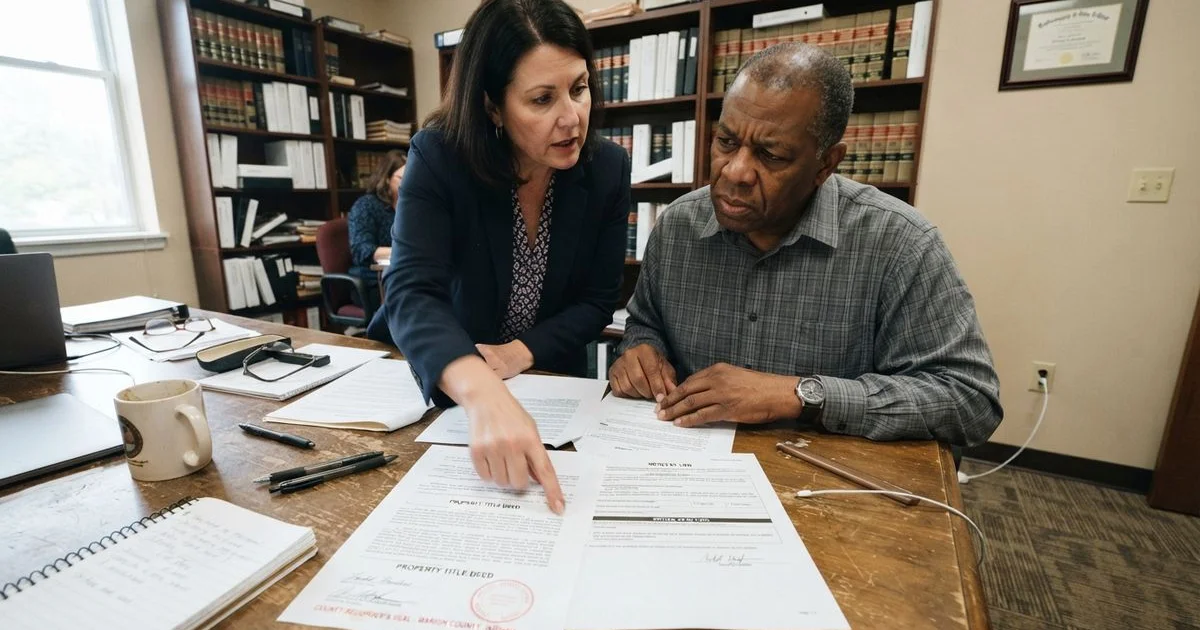
Title problems have a way of surfacing at the worst possible moment, usually right when a sale is supposed to close or a foreclosure case is already moving. This is general information about how these issues work in Indiana, not legal advice about a specific property or dispute.
The common types of title problems
A lien is the most frequent issue: a contractor who was never paid, unpaid property taxes, a judgment from an unrelated lawsuit, or a second mortgage that was never released after refinancing. Ownership disputes come up too, often after a death in the family when heirs disagree, or after a divorce when a deed was never formally updated. Less common but harder to untangle are old recording errors, such as a deed that was never properly signed or notarized decades ago.
Why this matters during a foreclosure
A lender pursuing foreclosure has to show it has standing and that its lien is valid and properly recorded. If the chain of title is unclear, or if there are competing liens with disputed priority, that can slow the case or change who gets paid what from a sale. On the flip side, homeowners trying to sell before a foreclosure sale can find that an old, forgotten lien blocks the deal entirely until it is cleared.
| Issue type | How it typically shows up | Typical resolution |
|---|---|---|
| Unpaid contractor lien | Surfaces during a title search before sale | Paid off from proceeds or negotiated down |
| Old second mortgage never released | Appears as a recorded lien despite being paid off | Corrected with a release document from the lender |
| Disputed inheritance | Multiple heirs claim ownership after a death | Resolved through probate or negotiated agreement |
| Divorce-related deed issue | Property title was never updated post-divorce | Corrective deed or court order |
| Competing lien priority | Two creditors both claim rights to proceeds | Court determines priority order |
What an attorney does to clear a title
The process usually starts with a title search to identify every recorded claim against the property. From there, an attorney contacts lienholders to negotiate payoffs or releases, prepares corrective documents for clerical errors, and, when an agreement is not possible, files a quiet title action asking a court to formally resolve competing claims.
How this connects to foreclosure and selling
If you are trying to sell a home before a foreclosure sale is finalized, a title problem you did not know about can eat into your timeline fast, since most buyers require clear title before closing. Getting a title check done early, rather than waiting until an offer is already on the table, gives you time to resolve issues instead of losing a sale over them.
Attorneys who focus on this kind of work are listed under Real Estate & Title Disputes in this directory. You can see how listings are evaluated through the ranking method, or start from the homepage to browse by practice area.
Frequently asked questions
- What is a title defect?
- A title defect is any issue that clouds clear ownership, such as an unresolved lien, a missing signature on a prior deed, an unpaid tax bill, or competing claims from an heir or ex-spouse.
- Can a house be sold with a lien on it?
- Usually not until the lien is paid off or resolved. Most sales require a clear title at closing, so liens typically get settled from sale proceeds or negotiated down before the deal closes.
- How do I find out if there are liens on a property?
- A title search, usually done by a title company or attorney, pulls recorded liens, judgments, and ownership history from the county recorder's office.
- Does a title dispute always require a lawsuit?
- No. Many disputes resolve through negotiation, a payoff, or a corrective deed. A quiet title lawsuit is generally reserved for disputes that cannot be resolved by agreement.
Related on this site
- Browse real estate & title disputes providers
- Can you sell your house before foreclosure? Options if you are behind on payments
- Foreclosure and inherited homes: what happens to a mortgage after a death in the family
- How bankruptcy can pause a foreclosure sale in Indiana: the automatic stay and its limits
- Wage garnishment and judgments in Indiana: what creditors can and cannot take
- All guides →